


Indian Markets Observe Republic Day Holiday Trading Resumes January 27
Share this article:
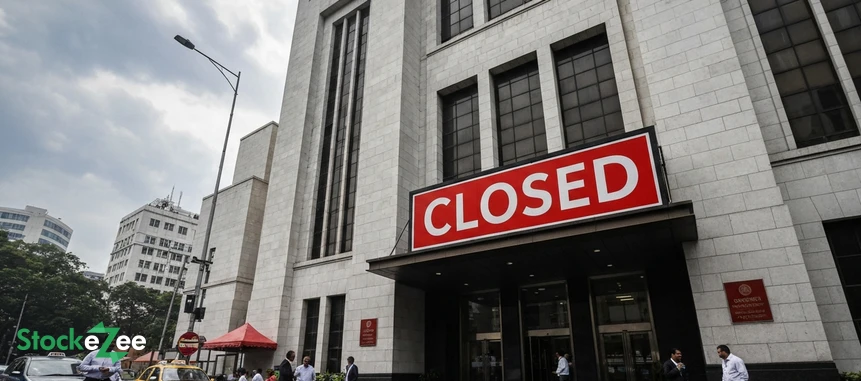
6 min readIndian stock and commodity markets are closed today for Republic Day, pausing trading activity ahead of its resumption on January 27 amidst ongoing global tensions and FII activity.
Indian Markets Observe Republic Day Pause: What's Next as Trading Resumes?
The Indian equity and commodity markets, encompassing both the National Stock Exchange (NSE) and the Bombay Stock Exchange (BSE), are observing a scheduled holiday today, January 26, in observance of Republic Day. This pause in active trading provides participants a moment to reflect on recent market dynamics and prepare for the resumption of activity on January 27. With global trade tensions, persistent Foreign Institutional Investor (FII) outflows, and the ongoing earnings season shaping investor sentiment, the brief closure offers a critical juncture for strategy recalibration.
While the trading screens remain dormant, the underlying factors influencing market direction continue to evolve. This holiday marks the beginning of India's 2026 market closure calendar, urging traders and long-term investors alike to assess their positions and monitor emerging cues ahead of tomorrow’s session.
What Triggered Today’s Market Move
Today's market inactivity is directly attributed to the Republic Day public holiday, a pre-scheduled event in the annual market calendar. However, the significance of this pause extends beyond a mere day off. The markets had been navigating a complex landscape in the sessions leading up to the holiday. Dominant themes include escalating global trade tensions, which often spark caution among international investors and impact export-oriented sectors. Furthermore, the persistent trend of FII outflows has been a notable characteristic, signaling a cautious stance from foreign funds and putting pressure on domestic indices.
Concurrently, the Q3 earnings season is in full swing, with corporate results from various sectors dictating stock-specific movements and influencing broader sentiment. This combination of macro-economic uncertainty, foreign capital dynamics, and micro-level corporate performance creates a confluence of factors that traders and investors will be actively weighing during this holiday and upon market reopening. The break offers a chance to digest recent data without the immediate pressure of live trading.
Sector and Stock-Specific Impact on NSE and BSE
In the sessions preceding the Republic Day holiday, market participants observed a mixed performance across sectors on both the NSE and BSE. Sectors sensitive to global trade dynamics, such as certain manufacturing and export-oriented segments, have been under scrutiny due to the evolving international landscape. Conversely, defensive sectors or those demonstrating strong earnings resilience have shown pockets of strength.
With FII outflows primarily impacting large-cap counters, domestic institutional investors (DIIs) have often stepped in, providing a floor, particularly in mid-cap and small-cap segments. Traders have been keenly watching stocks presenting clear earnings beats or misses, leading to swift price reactions. Companies that have signaled robust order books or positive management commentary have managed to attract interest, while those facing margin pressures or demand slowdowns have seen selling pressure. The holiday period allows for a deeper dive into these results, potentially influencing opening gaps or strong directional moves when markets resume.
What Today’s Screener Signals Are Showing
With the markets closed for Republic Day, no live screener signals are being generated today. However, traders are likely reviewing data from the previous trading sessions for insights into potential moves for the upcoming week. Key indicators being monitored would include:
- Volume Expansion: Identifying stocks that saw significant volume prior to the holiday, indicating potential accumulation or distribution.
- Momentum Shifts: Looking for counters where momentum indicators might have shown divergence or strengthening trends.
- VWAP Behavior: Analyzing how stocks traded relative to their Volume Weighted Average Price (VWAP) in the last session to gauge short-term sentiment.
- Delivery Strength: Scrutinizing delivery volumes and percentages to ascertain conviction behind price moves, particularly in mid-cap and small-cap names.
These retrospective signals, combined with any fresh global cues emerging during the holiday, will form the basis for initial trading strategies when NSE and BSE reopen.
What This Means for Traders and Investors
For active traders, the Republic Day holiday represents a forced break, allowing for a strategic re-evaluation of open positions and trade plans. This period is crucial for processing the influx of corporate earnings reports and any new global economic data that might have emerged. Traders will be looking to identify sectors and stocks that have absorbed recent shocks well or are poised for a breakout or breakdown based on fundamental shifts or technical setups.
Positional and long-term investors can utilize this interlude to review their portfolio allocations in light of the macro environment—specifically the persistent FII outflows and potential interest rate trajectories. Risk awareness remains paramount, especially concerning positions sensitive to global liquidity or domestic policy changes. The post-holiday session often witnesses increased volatility as pent-up demand or supply plays out, requiring agile decision-making.
Market Outlook and Key Levels to Watch
As Indian markets prepare to resume trading tomorrow, the immediate outlook will be shaped by how global markets have performed during India's holiday and any fresh FII/DII activity reports. The Nifty and Bank Nifty will be closely watched for their ability to sustain key psychological and technical levels. A decisive break above or below established resistance/support zones could signal the next leg of the market's trend.
Sector-specific continuation or rotation will also be a critical theme. Traders should observe if the leadership seen in select pockets before the holiday persists or if there's a shift towards new outperformers. The trajectory of global crude oil prices, the US Dollar Index, and bond yields will continue to be significant macro drivers influencing foreign fund flows and overall market sentiment. The unfolding Q3 earnings cycle, with more results expected, will keep the market dynamic and stock-specific action prominent.
Conclusion
The Republic Day holiday offers a timely pause for Indian equity markets amidst a period characterized by global economic uncertainties, strategic FII movements, and a busy corporate earnings season. While trading remains suspended today, January 26, participants are actively preparing for the market's reopening on January 27. The sessions ahead will likely reflect the consolidation of global cues and the impact of fresh earnings data.
Market participants should prioritize vigilance, carefully assessing the evolving macroeconomic landscape and monitoring FII/DII activity. Key to navigating the upcoming sessions will be adapting to potential volatility and focusing on robust risk management strategies as the market integrates the insights gathered during this brief but important break.